2Dance Untitled 2026
I used to stare out the car window, marveling at the buildings and structures that drifted in and out of view. Things that were big and ‘man-made’ impressed me: skyscrapers, bridges, factories, identical houses in suburbs, and the cascade of light poles along the highway that seemed to go on forever. They didn’t have to be especially grand or complex; in essence, I had the same kind of respect for transmission towers and concrete road barriers as I did for the pyramids or the Space Shuttle (of which, you should know, I had a nice LEGO set).

What those things had in common was that I couldn’t make them.
I of course knew that I couldn’t make much of anything, given that I was just a littlin. But those things were different, because I couldn’t even conceive of making them. How does one even go about making a cruise ship, a concrete mixer, or a water desalination plant? I was baffled.
What’s more, my six-year-old self couldn’t have been bothered to make those things. I wasn’t interested; and that, I think, is what impressed me most: that other people were.
Some years later, my father told me (or mumbled half to himself at the TV or newspaper, I don’t exactly recall) that different people having proclivities for different vocations and hobbies was divine intervention, a miracle, because otherwise, according to his quaint theory of labor, nothing would ever get done.
Up to a point, I found the idea charming. If only it were true that the world worked that way. As I got older, I learned about the realities that poked that theory full of holes, and I kind of wished I hadn’t. A lot of work, it turned out, is completed under duress, with little regard for the natural inclinations of those doing the work, and a lot of it is done by the sheer force of numbers, through voluntary or coerced collaboration, rather than aptitude or willpower.
Most people have a good sense of what coerced collaboration looks like; the pyramids, concrete road barriers (I really loved those), and the administration of big companies are really, give or take, products of the same mechanisms [citation needed]. Coordinated drudgery at scale is what makes the world go ‘round.
Individual, creative, and voluntary work also comes easily to the imagination. Being that we’re all heroes of our own stories, we like to think that we’re capable of achieving great things through talent, determination, and free will.
In retrospect, not understanding the difference between those kinds of work was what made me so enamored of large, artificial structures. While I could fantasize so easily about becoming a famous athlete, playing great music, or ‘inventing’ something, it was harder to imagine paving a long highway or building a clocktower by myself. I was a lonesome go-getter of a kid, so I assumed that the primary way things got was solo, and with grit.
I know a little better now, but just barely. Because there are categories of work that still escape my imagination–work which is voluntary, collaborative, but neither grand nor spectacular; just people getting together and doing what they love.
These things are all around me, hiding in plain sight, almost by design–lacking the grandeur of mass collaborations and the myth and glamour of individual achievements, free of egos and expectations, but full of grace and modest beauty.
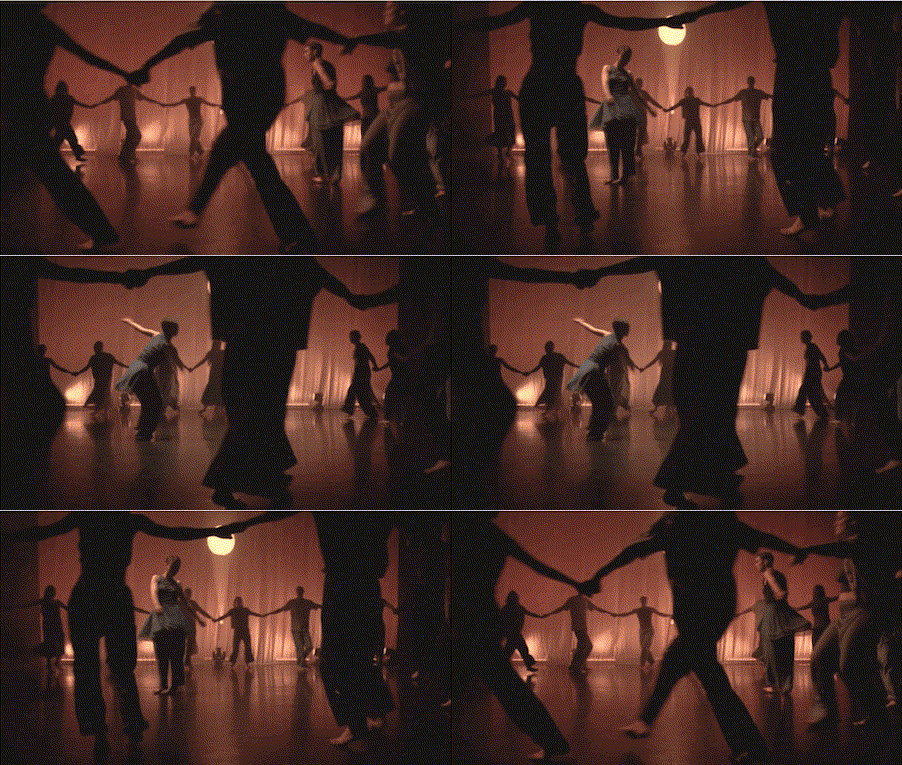
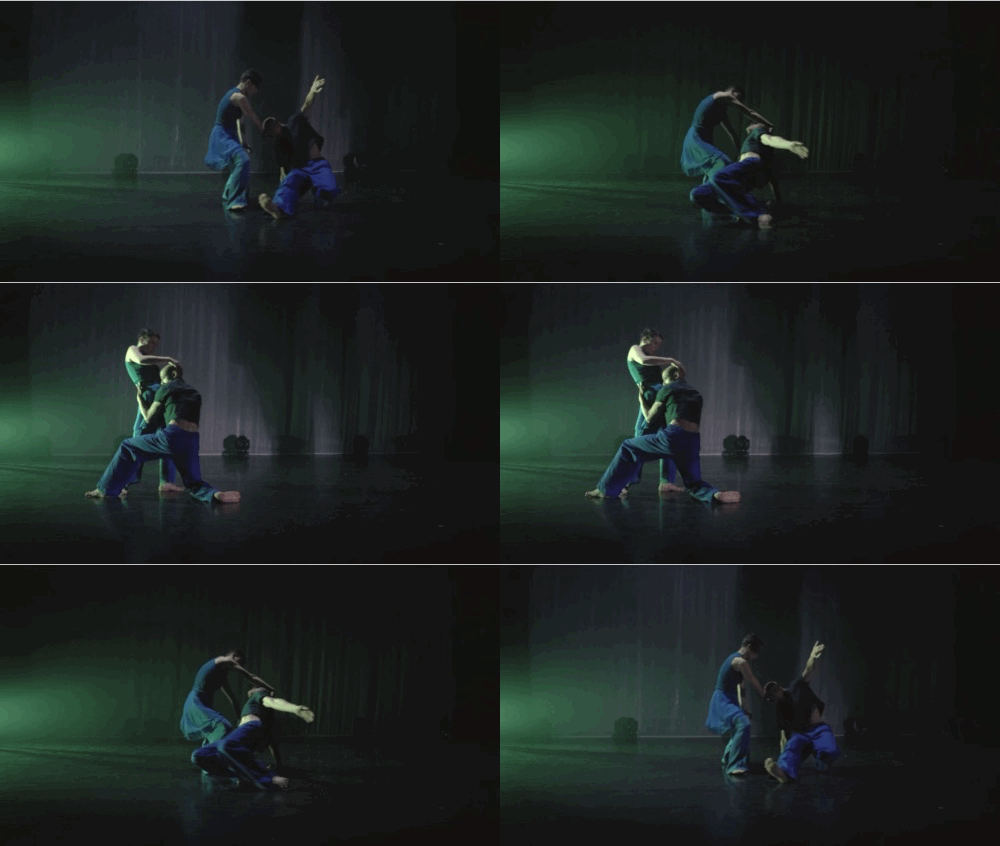
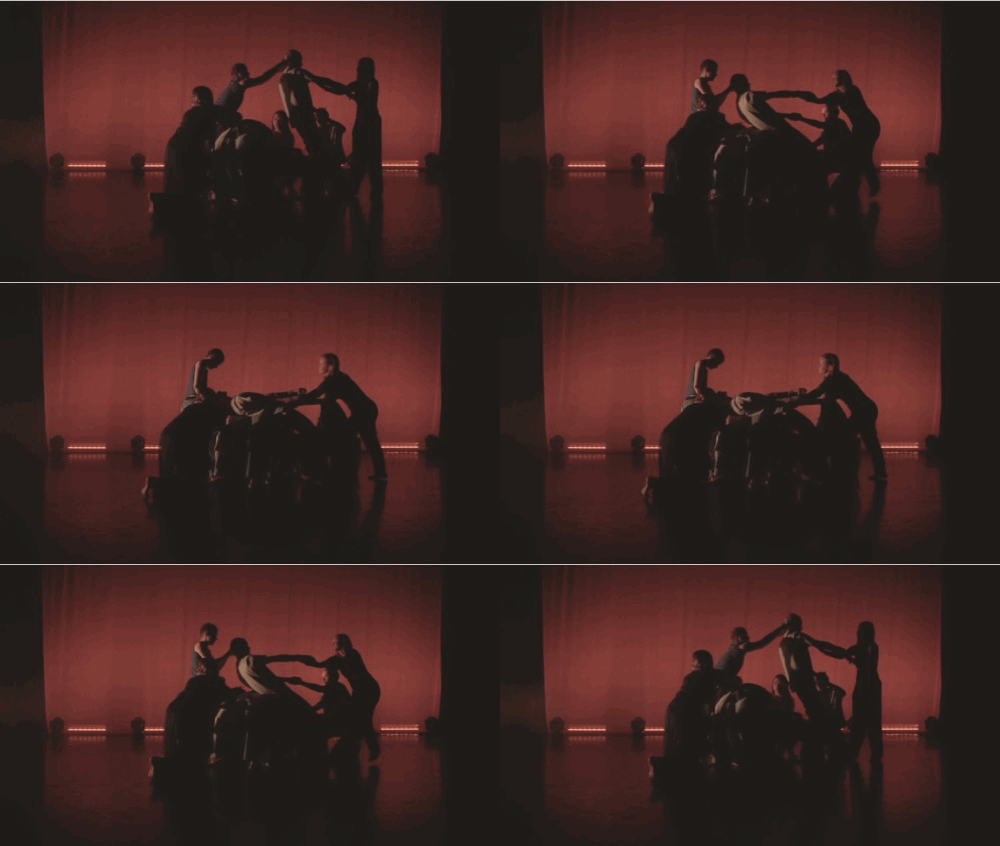
I want to give a compelling explanation of how this connects to the video on this page, the performance by my friends from the 2Dance community, but I’m drawing a blank.